The Complete Guide to Scalp Exfoliation: Benefits, Methods, and How Often to Do It for Healthier Hair Growth
By Tricho™GlowCap | Published: 2026-06-23
Category: How-to Guides
Discover the benefits of scalp exfoliation, step-by-step methods, and how often to exfoliate for optimal hair growth. Learn to use tools like a scalp scrubber and integrate serums for best results.
Scalp exfoliation is one of the most underrated steps in a hair care routine. Just like your face, your scalp accumulates dead skin cells, excess oil, and product buildup over time. This can clog hair follicles, slow down circulation, and create an environment where hair struggles to grow. But when done correctly, exfoliating your scalp can transform your hair health—unlocking stronger, thicker strands and a healthier foundation for growth.
In this complete guide, we’ll cover everything you need to know about scalp exfoliation: the science-backed benefits, the best methods (physical vs. chemical), how often you should do it, and how to pair it with other products for maximum results. Whether you’re a beginner or looking to refine your routine, this article will help you master scalp care for hair growth.
What Is Scalp Exfoliation and Why Does It Matter?
Scalp exfoliation is the process of removing dead skin cells and buildup from the surface of your scalp. Your scalp sheds skin cells naturally every 30 to 45 days, but factors like dry air, harsh shampoos, heavy styling products, and even hormonal changes can disrupt this cycle. When dead cells linger, they can mix with sebum and create a flaky, itchy, or congested scalp.
This buildup doesn’t just feel uncomfortable—it can physically block hair follicles, preventing new hair from emerging. A clogged follicle may lead to thinning, slower growth, or even inflammation. By exfoliating regularly, you clear the path for healthy hair growth and improve the absorption of topical treatments like serums and minoxidil.
Top Benefits of Scalp Exfoliation for Hair Growth
- Unclogs hair follicles: Removing debris allows new hair to push through without resistance.
- Boosts blood circulation: The physical action of exfoliating stimulates blood flow to the scalp, delivering oxygen and nutrients to hair roots.
- Reduces dandruff and flakiness: Exfoliation helps control the buildup that feeds Malassezia yeast, a common cause of dandruff.
- Enhances product absorption: Serums, oils, and treatments penetrate more effectively on a clean, exfoliated scalp.
- Balances oil production: Regular exfoliation can help regulate sebum, preventing both dryness and excessive greasiness.
- Improves scalp texture and comfort: Say goodbye to itching, tightness, and rough patches.
Physical vs. Chemical Scalp Exfoliation: Which Method Is Right for You?
There are two main approaches to exfoliating your scalp: physical exfoliation and chemical exfoliation. Both can be effective, but they work differently.
Physical Scalp Exfoliation
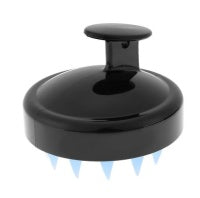
Physical exfoliation uses manual tools or gritty scrubs to slough off dead skin. The most common tool is a scalp scrubber—a handheld device with soft silicone bristles that you massage over your scalp. This method is gentle yet effective, especially when used with shampoo. For a deeper clean, you can use a dedicated exfoliating scalp scrub with fine particles like jojoba beads or sugar.
We recommend the TrichoGlow Scalp Scrubber for daily or weekly use. Its soft bristles are designed to stimulate circulation without irritating the skin. Use it in the shower, moving in small circular motions, for 2–3 minutes.
Chemical Scalp Exfoliation
Chemical exfoliation uses acids or enzymes to dissolve dead skin cells. Common ingredients include salicylic acid (beta-hydroxy acid, or BHA), glycolic acid (alpha-hydroxy acid, or AHA), and lactic acid. These are often found in scalp-specific serums or tonics. Chemical exfoliants are ideal for those with sensitive scalps who find physical scrubbing too harsh.
Salicylic acid is particularly effective for oily or flaky scalps because it penetrates deep into pores to dissolve sebum and dead skin. Look for leave-on treatments or rinse-off masks that contain 1–2% salicylic acid.
How Often Should You Exfoliate Your Scalp?
The frequency of scalp exfoliation depends on your scalp type and the method you use.
| Scalp Type | Physical Exfoliation | Chemical Exfoliation |
|---|---|---|
| Oily / prone to buildup | 1–2 times per week | 2–3 times per week (gentle formulas) |
| Dry / sensitive | Once every 1–2 weeks | Once per week (low concentration) |
| Normal / balanced | Once per week | Once per week |
| Flaky / dandruff-prone | 1–2 times per week | 2–3 times per week |
It’s crucial not to over-exfoliate. Doing it more than 3 times a week can strip the scalp’s natural barrier, leading to irritation, redness, or increased oil production. Pay attention to how your scalp feels—if it becomes tender or itchy, scale back.
Step-by-Step Scalp Exfoliation Routine
Ready to start? Follow this routine for a safe and effective scalp exfoliation session.
Step 1: Prep Your Scalp
Start with dry or slightly damp hair. If you’re using a chemical exfoliant, apply it directly to dry sections of your scalp. If you’re doing physical exfoliation, wet your hair and apply shampoo first.
Step 2: Apply Your Exfoliant
For physical exfoliation, dispense a small amount of scalp scrub onto your fingertips or directly onto the scalp. For chemical exfoliation, use a dropper or spray to apply the product along your part lines.
Step 3: Massage Gently
Using your fingertips or a silicone scalp scrubber like the TrichoGlow Scalp Scrubber, massage in small circular motions. Focus on the crown, temples, and nape of the neck—areas where buildup often accumulates. Do this for 2–3 minutes. Avoid using your fingernails, as they can scratch the skin.
Step 4: Rinse Thoroughly
Rinse your hair and scalp with lukewarm water. Make sure no scrub residue remains, as leftover particles can cause irritation. Follow up with a gentle shampoo if needed.
Step 5: Apply a Nourishing Serum
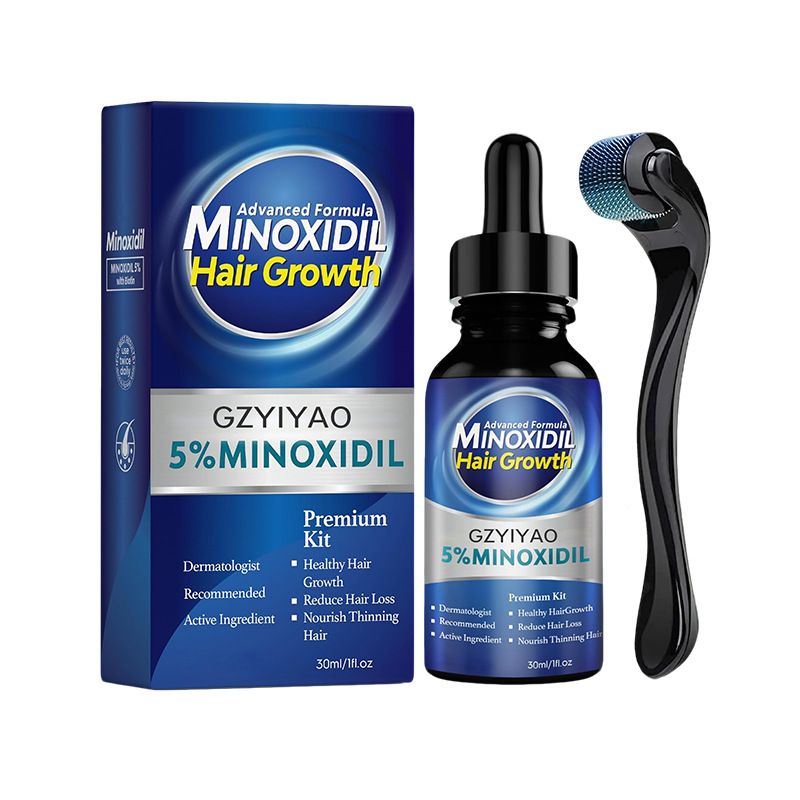
After exfoliating, your scalp is primed to absorb active ingredients. Apply a treatment like Minoxidil Targeted Hair Root Dropper & Scalp Revitalizing Essence to target hair follicles directly. This combination boosts the effectiveness of both the exfoliation and the treatment.
How to Pair Scalp Exfoliation with Other Hair Growth Products
Scalp exfoliation isn’t a standalone solution—it’s the foundation that allows other products to work better. Here’s how to combine it with your current routine:
- Minoxidil treatments: Exfoliate before applying minoxidil to remove the barrier of dead skin. This increases absorption and can speed up results. The Minoxidil Scalp Care Hair Densifying & Growth Mousse Spray is a great option to use post-exfoliation.
- Scalp serums: Apply a hydrating or growth-promoting serum after exfoliation to soothe and nourish the scalp.
- Red light therapy: Use a device like the Tricho™GlowCap - Red Light Therapy Regrowth Cap after exfoliation to enhance circulation and cellular repair.
- Sleeping caps: Protect your freshly exfoliated and treated scalp overnight with a silk or satin cap, such as the TrichoGlow Sleeping Cap, to reduce friction and lock in moisture.
Common Mistakes to Avoid
- Scrubbing too hard: Gentle pressure is key. Aggressive scrubbing can cause micro-tears and inflammation.
- Using harsh tools: Avoid brushes with hard nylon bristles. Stick to soft silicone scrubbers.
- Exfoliating on irritated or sunburned skin: Wait until any redness or tenderness has healed.
- Skipping moisturizer: After exfoliation, your scalp may need a lightweight oil or serum to restore its barrier.
- Not rinsing properly: Leftover product can cause buildup—exactly what you’re trying to prevent.
Who Should Avoid Scalp Exfoliation?
While scalp exfoliation is generally safe, it’s not for everyone. Avoid it if you have open wounds, active infections, severe psoriasis (without a doctor’s guidance), or if you’ve recently undergone a chemical peel or hair transplant. If you’re unsure, consult a dermatologist before starting.
Final Thoughts: Start Your Scalp Exfoliation Journey Today
Scalp exfoliation is a simple yet powerful addition to any hair care routine. By clearing away buildup, boosting circulation, and preparing your scalp to absorb treatments, you set the stage for healthier, fuller hair. Whether you choose a physical scrubber or a chemical acid, consistency is key. Start once a week, listen to your scalp, and gradually adjust as needed.
Ready to upgrade your scalp care routine? Explore the TrichoGlow Scalp Scrubber for a gentle, effective start. Your scalp—and your hair—will thank you.